Whales
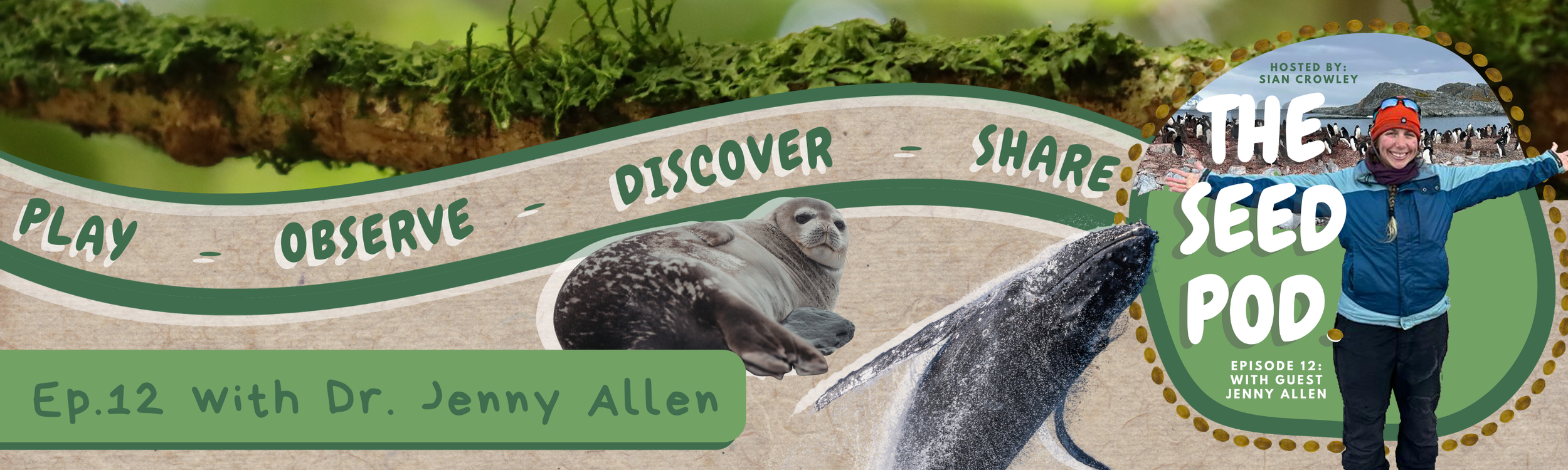
In Episode 12 of The Seed Pod. Dr Jenny Allen shares stories about her whale research and fieldwork in the coldest continent in the world- Antarctica! We talk leopard seals, penguins, whale tracking, communication and animal behaviour.
We are going to dive deeper into one of Jenny’s stories in this Learning Pod using a Play - Observe - Discover - Share structure.

Observe
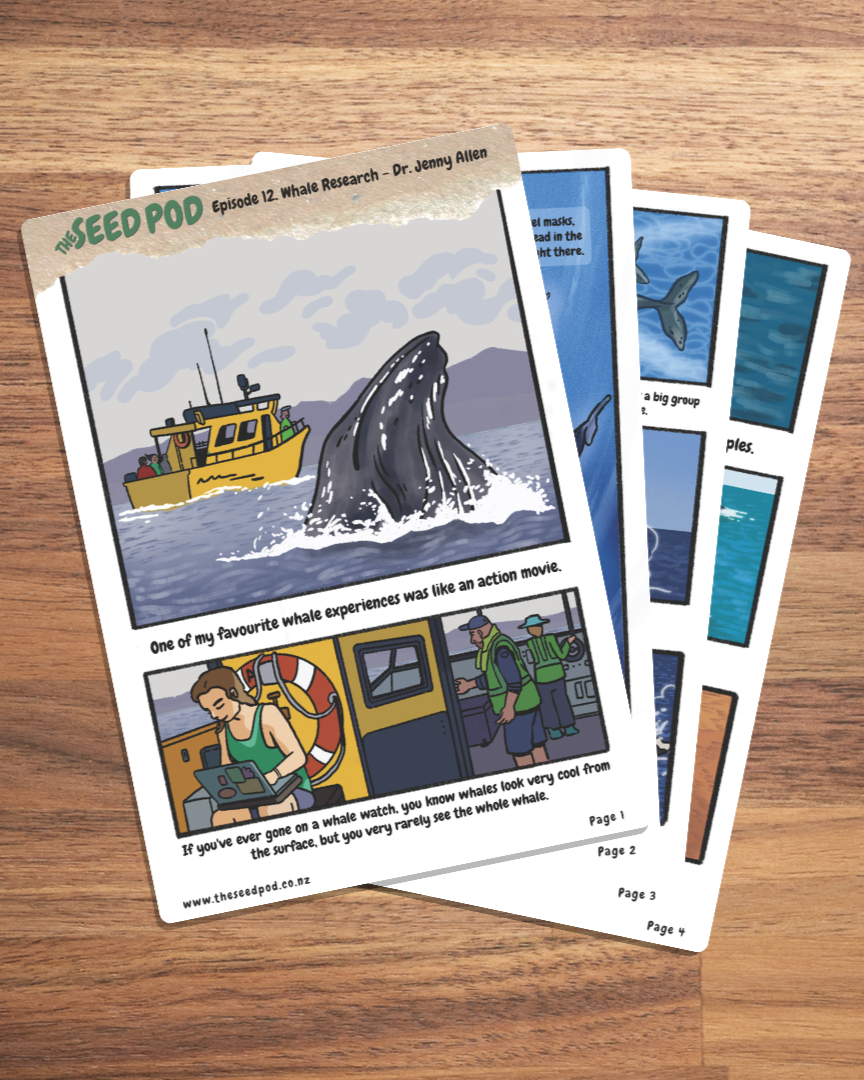
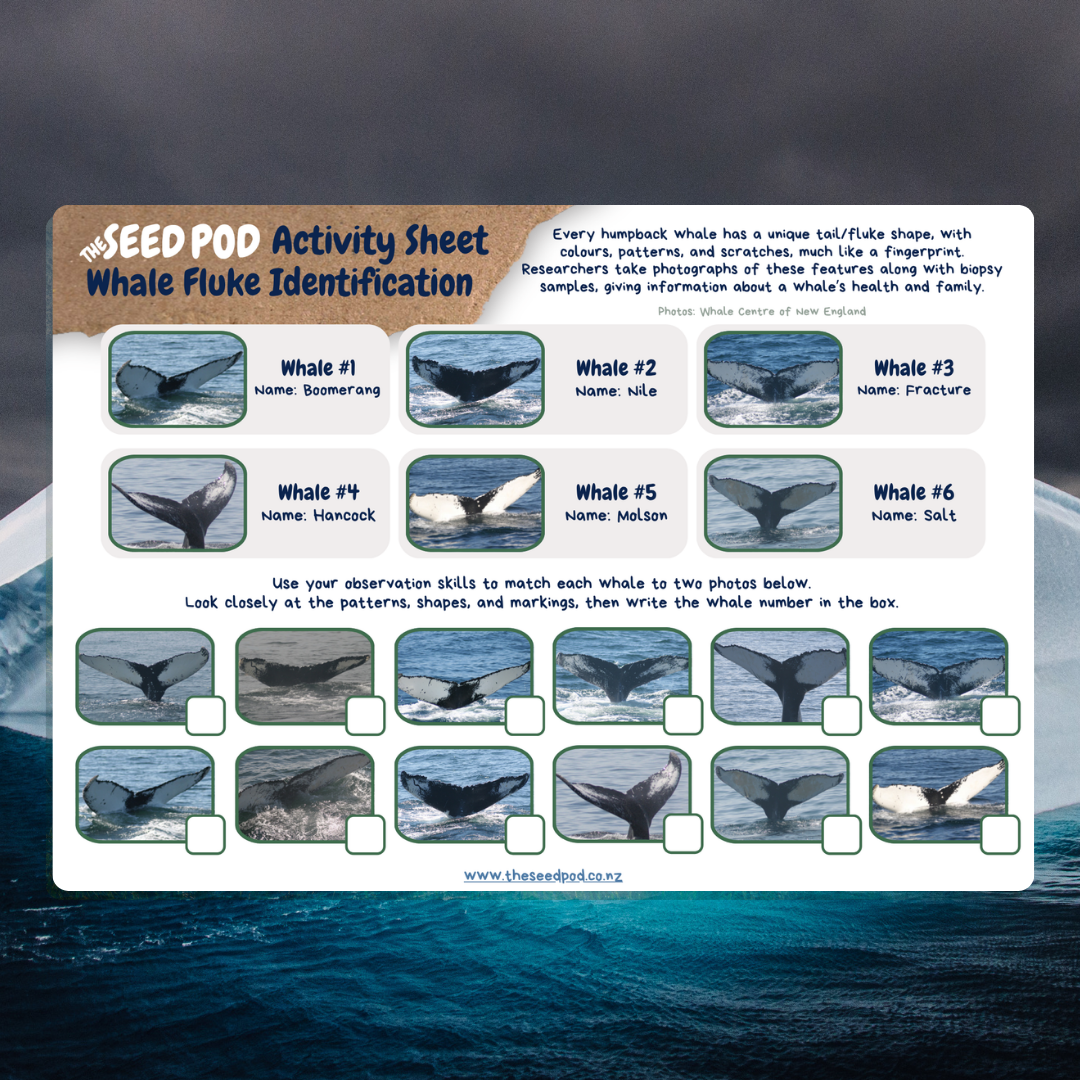
Every humpback whale has a unique tail/fluke shape, with colours, patterns, and scratches, much like a fingerprint. Researchers take photographs of these features along with biopsy samples, giving information about a whale’s health and family.
Discover
Marine animals rely on sound to survive, but noise pollution makes it tough. Many marine animals struggle to communicate, hunt, and navigate because of human-made sounds.
Listen to our audio simulation of noise pollution under the water. As we gradually add more noise, it becomes harder to hear the instructions.
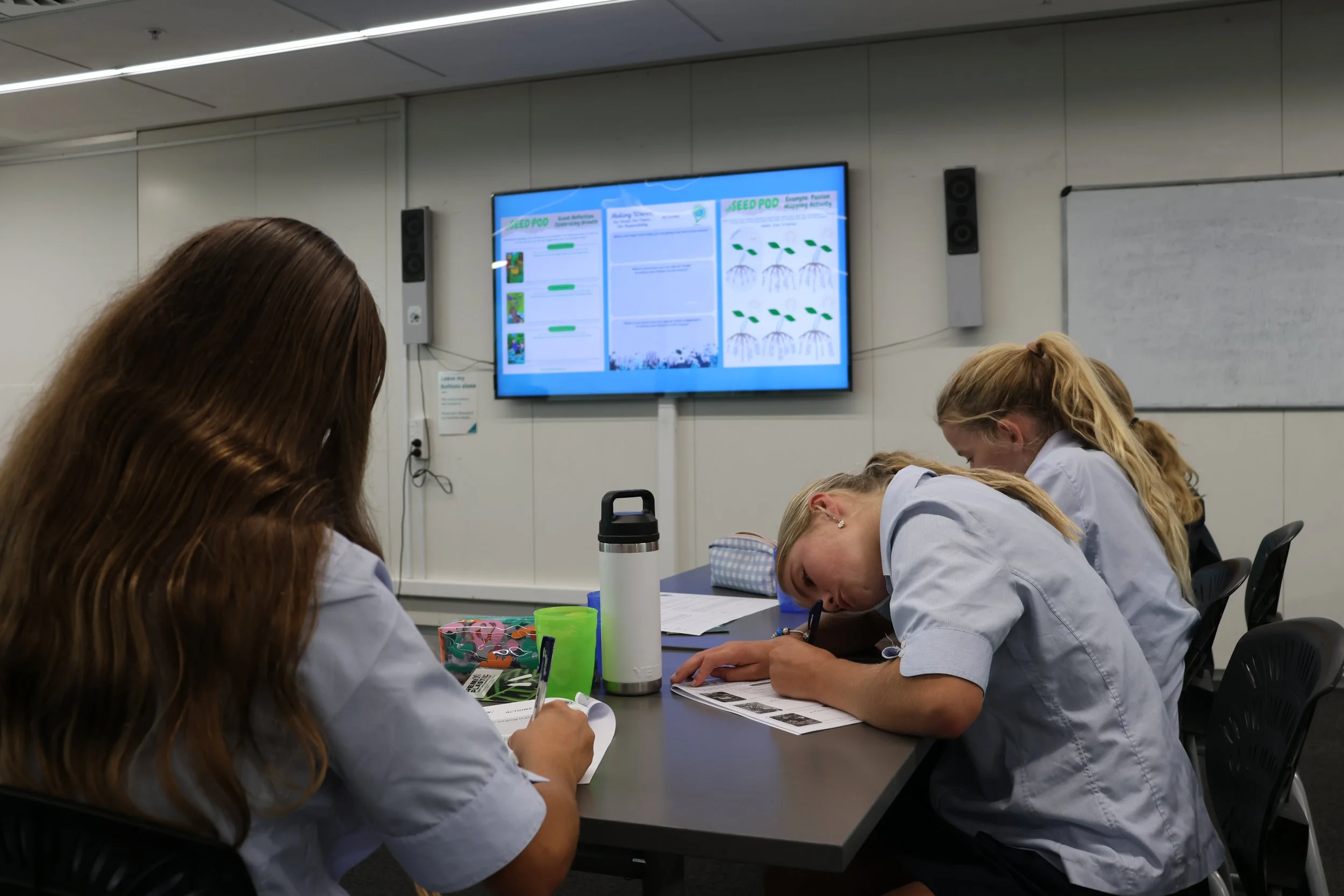
Using the activity sheet below, imagine you are an underwater animal experiencing what you just heard. Let humans know how that impacts you, how it feels and how they can help reduce the noise in the ocean.
Printable Activity Sheet HERE.
EXAMPLE Answer sheet HERE.
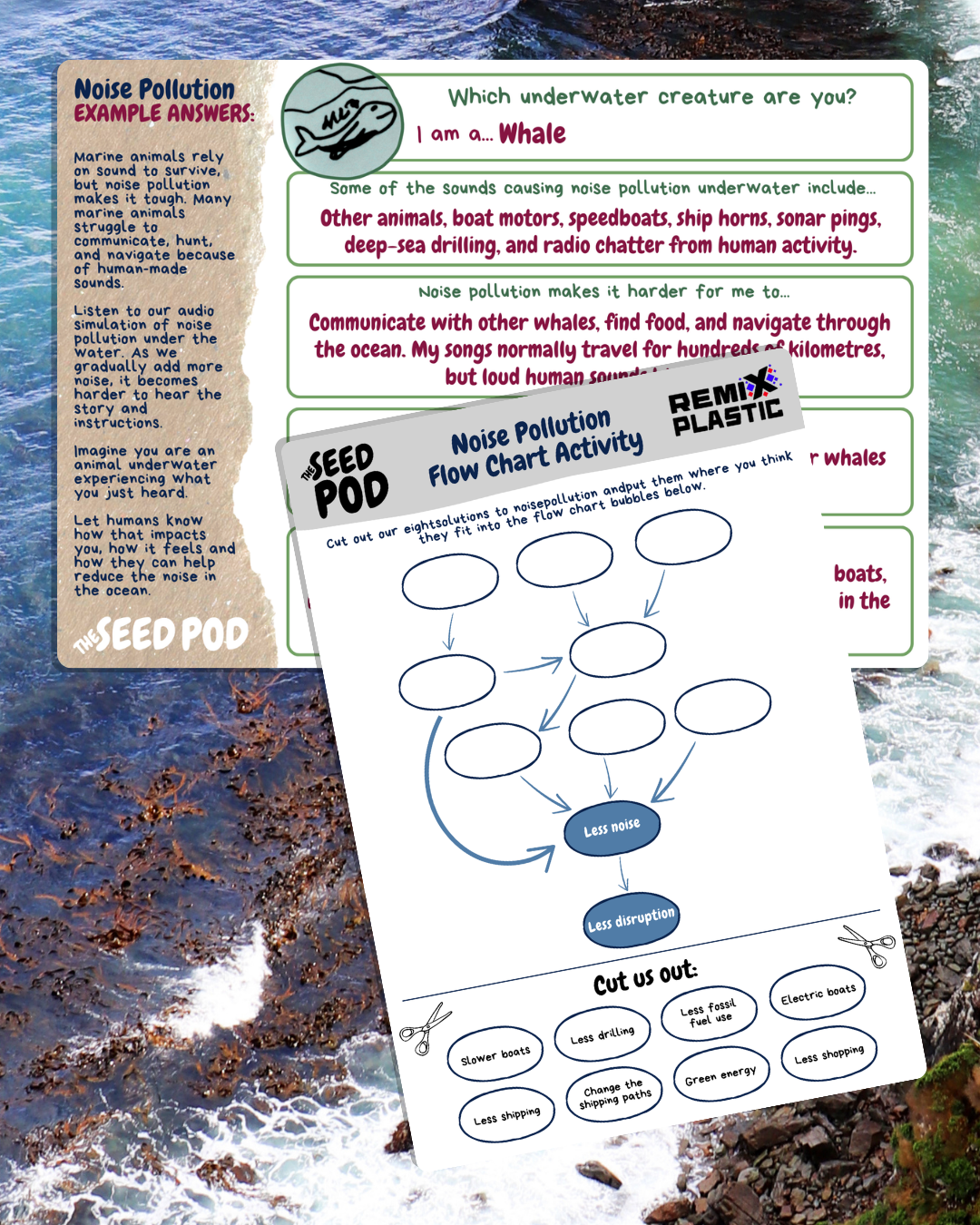
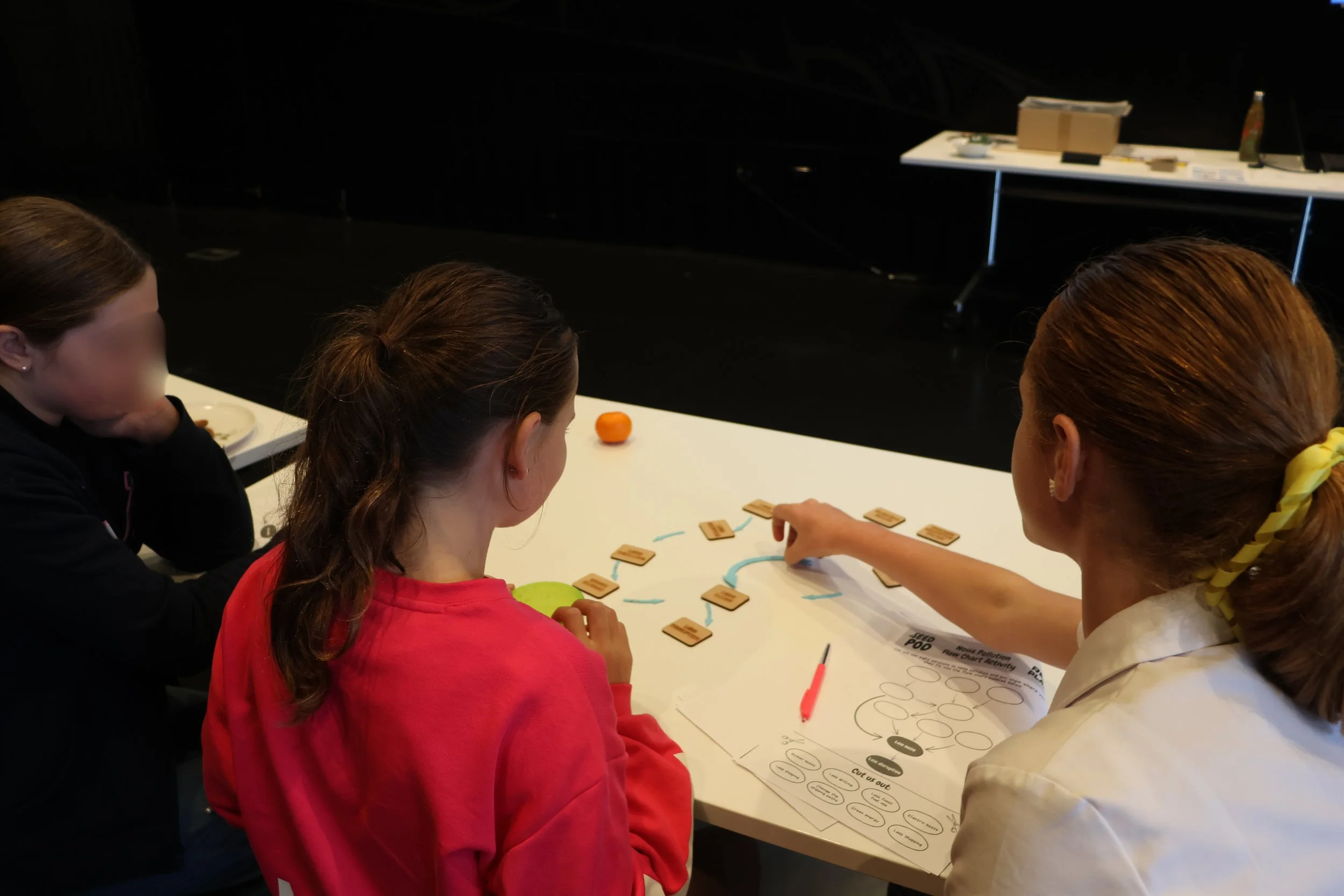
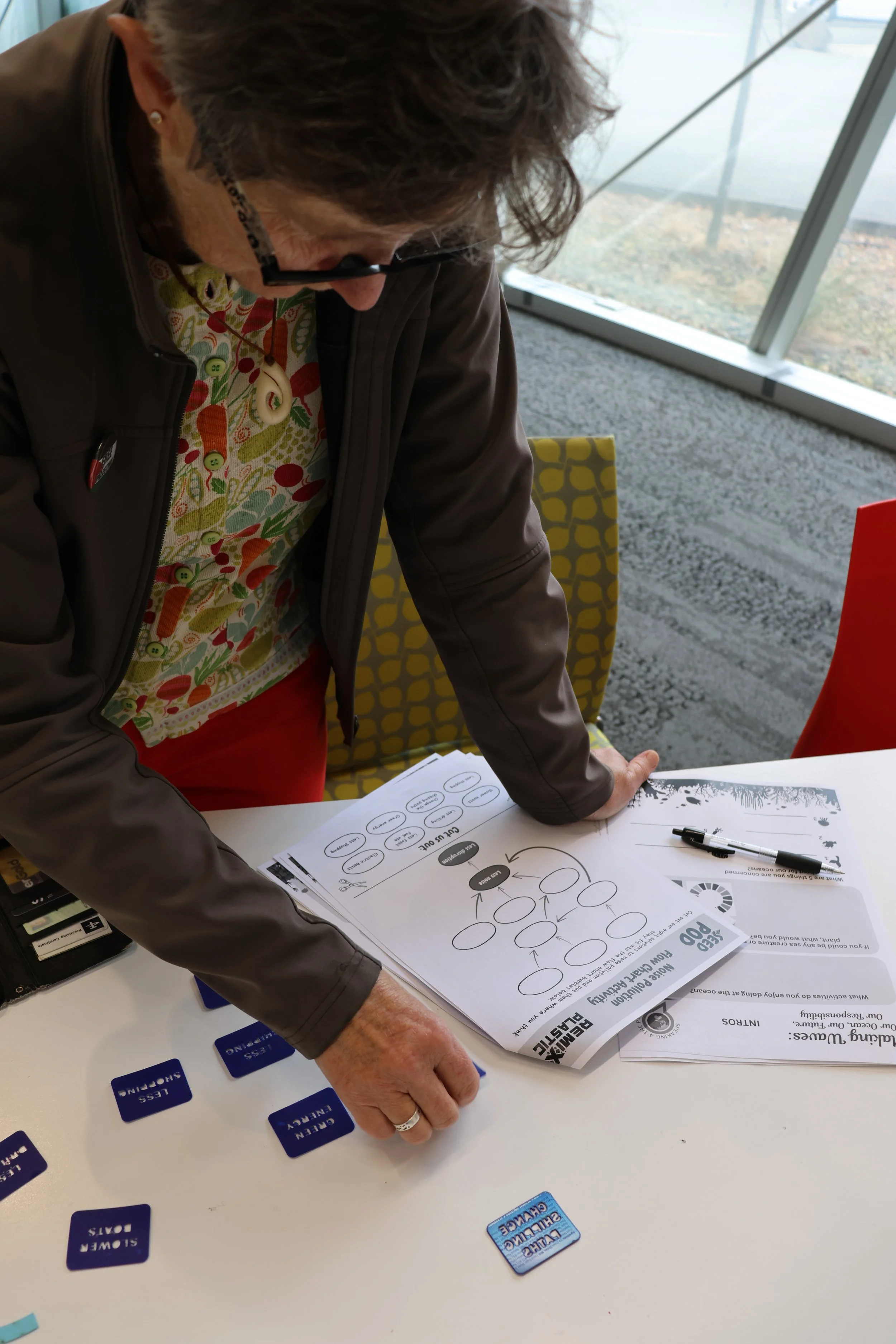
2nd Activity: Cut out our eight solutions to noise pollution and put them where you think they fit into the flowchart bubbles.
Reducing Noise Pollution Impacts: Flow Chart Activity HERE.
EXAMPLE Answer sheet HERE.
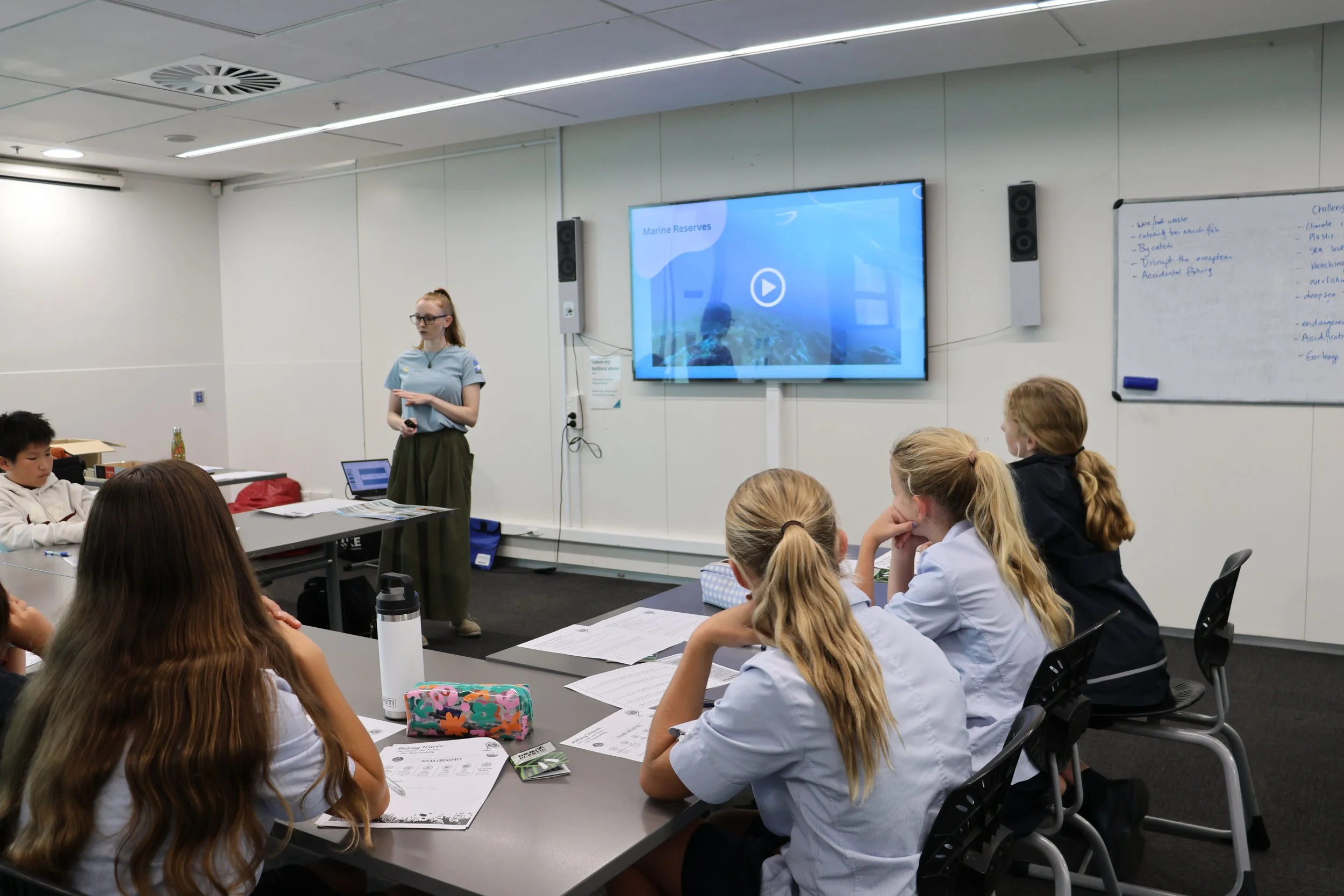
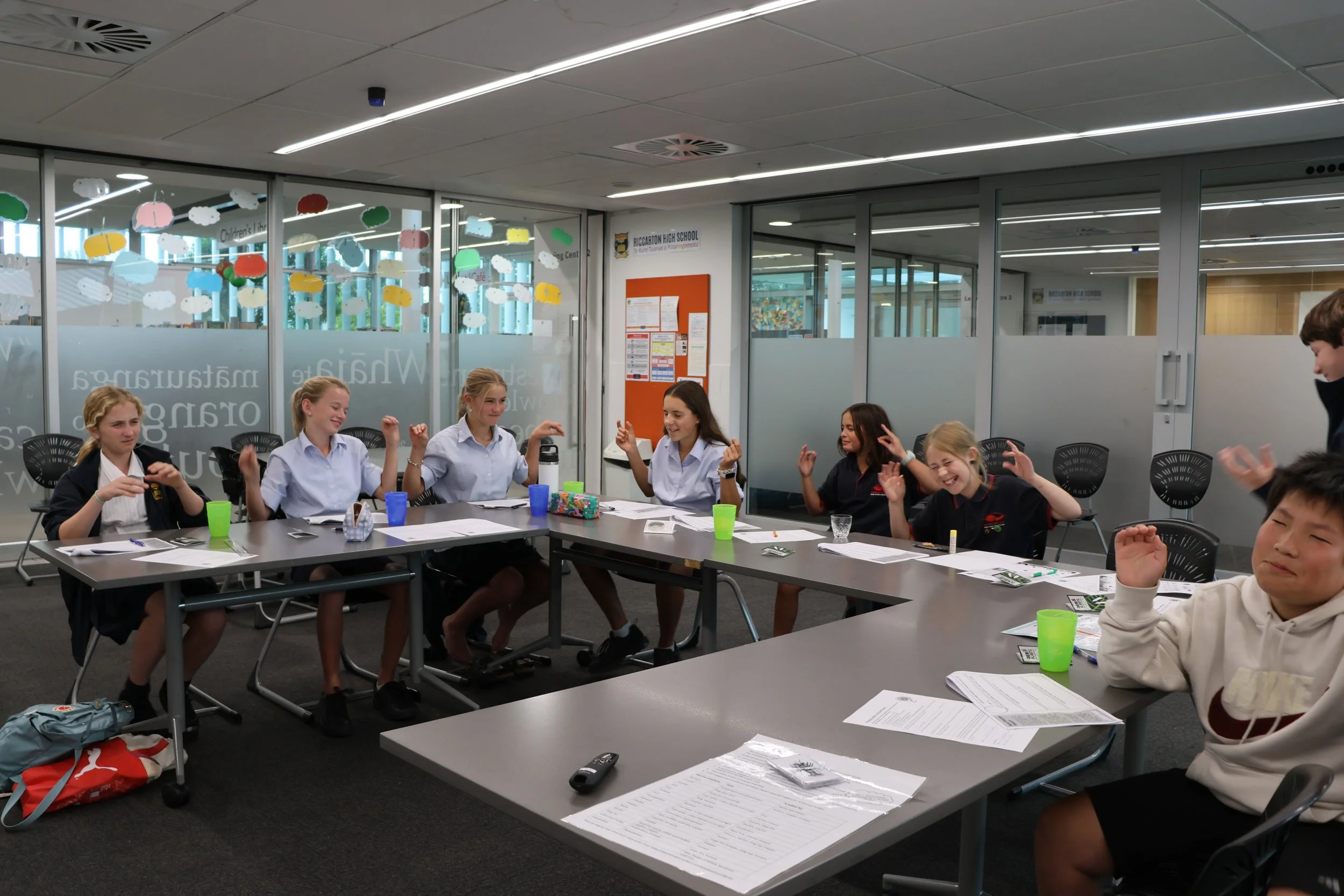
Our Resources in the Wild:
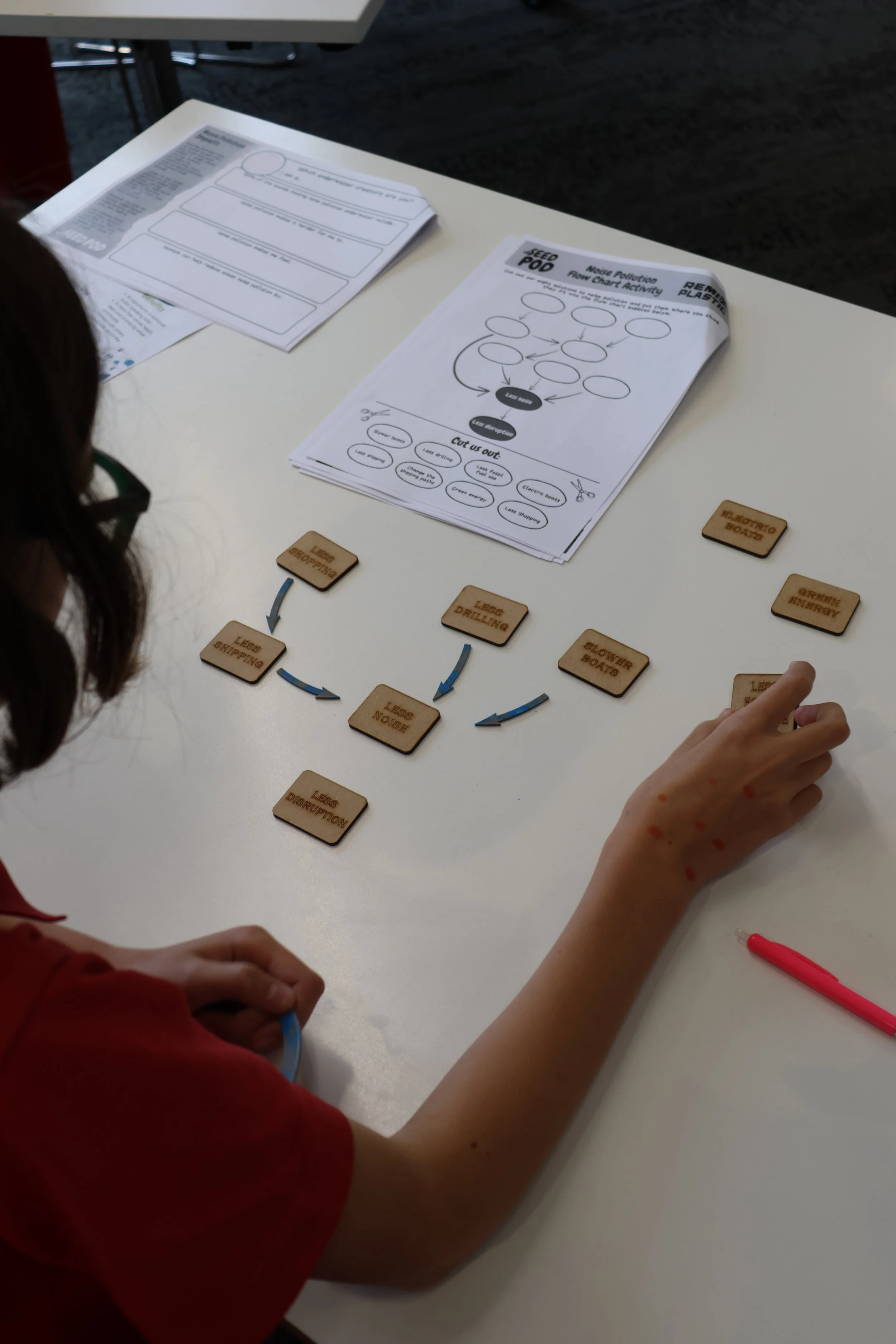
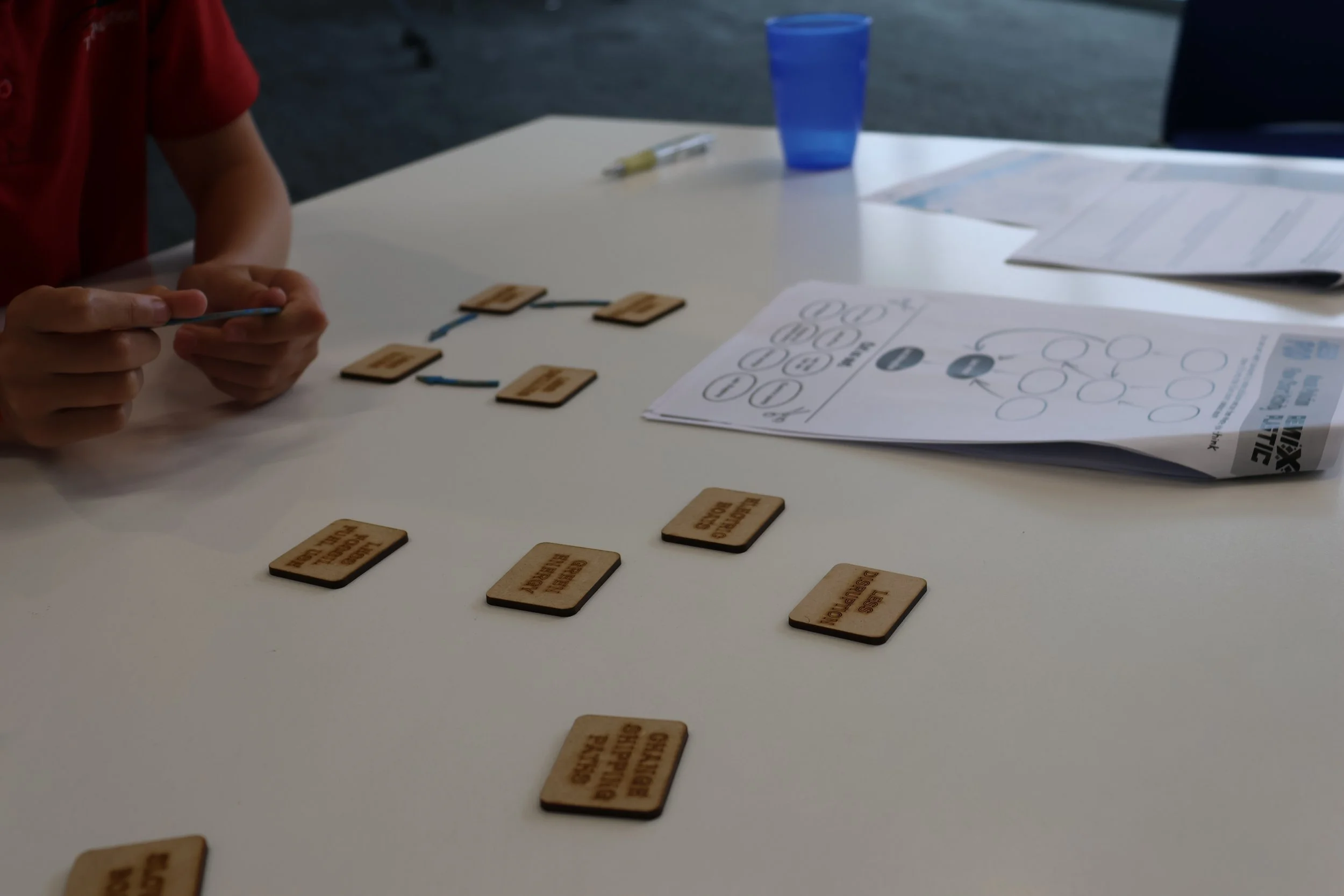
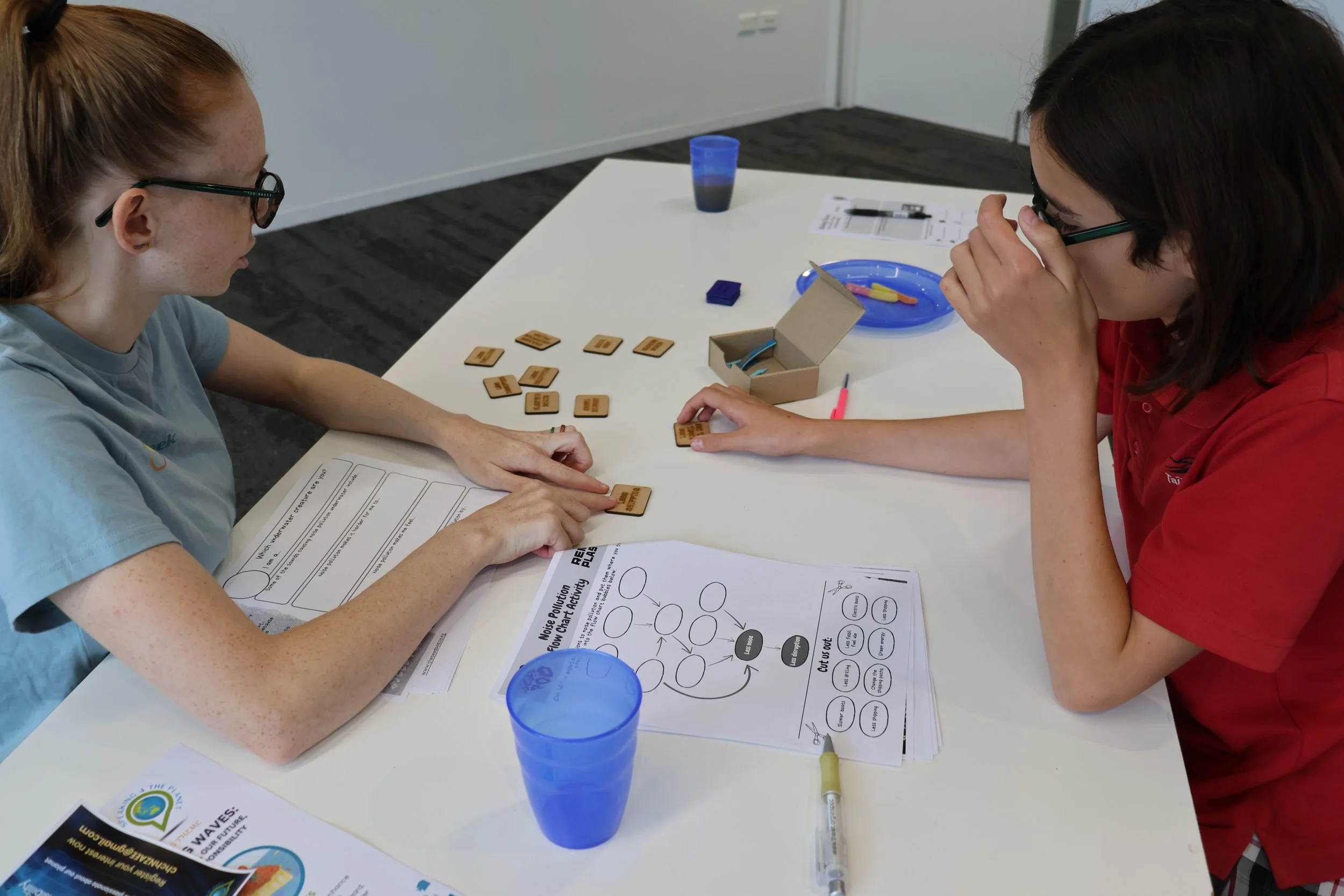
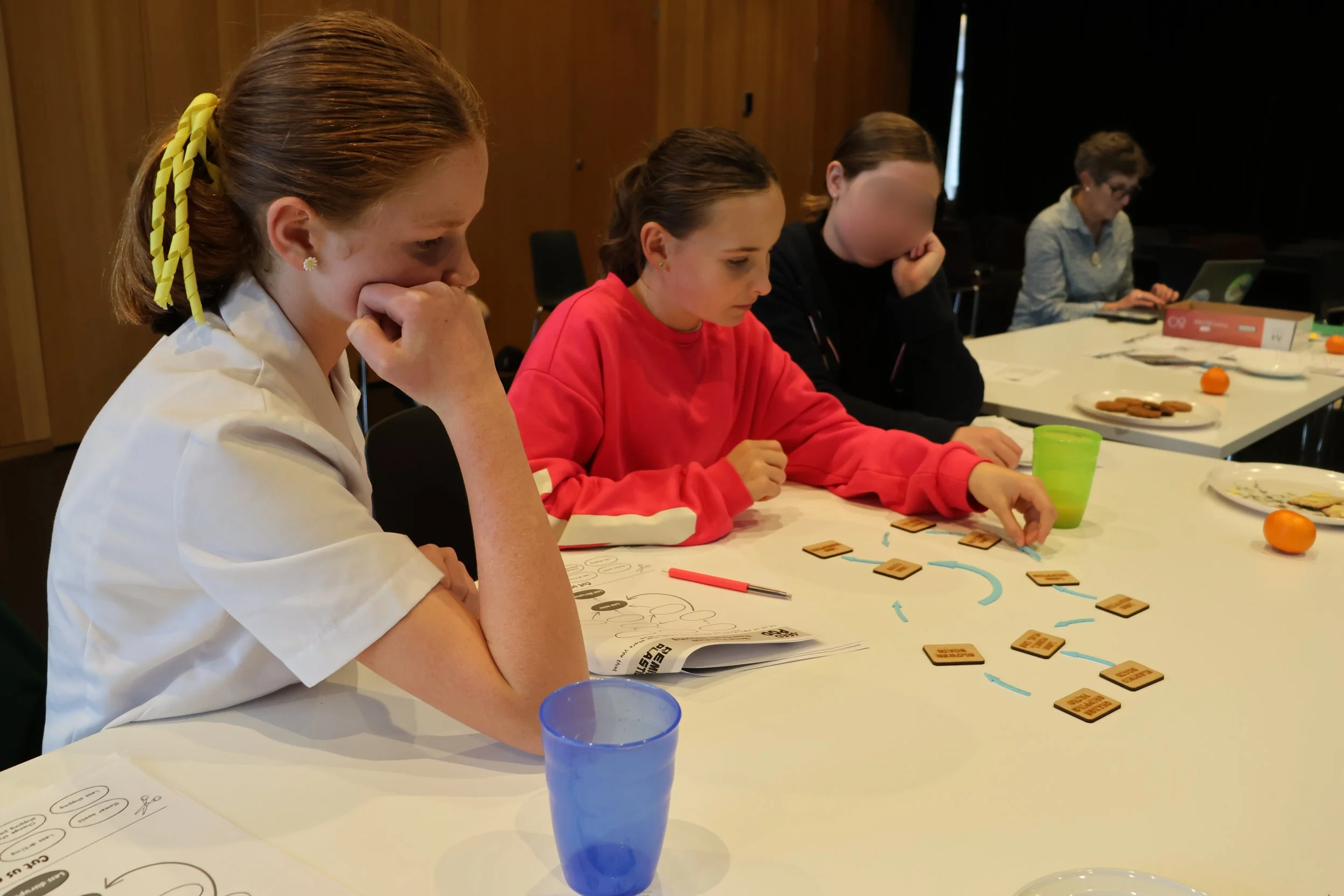
Share
Share your stories with us at: theseedpod@outlook.com
This is a place for sharing stories and contributions from our community.
Story:
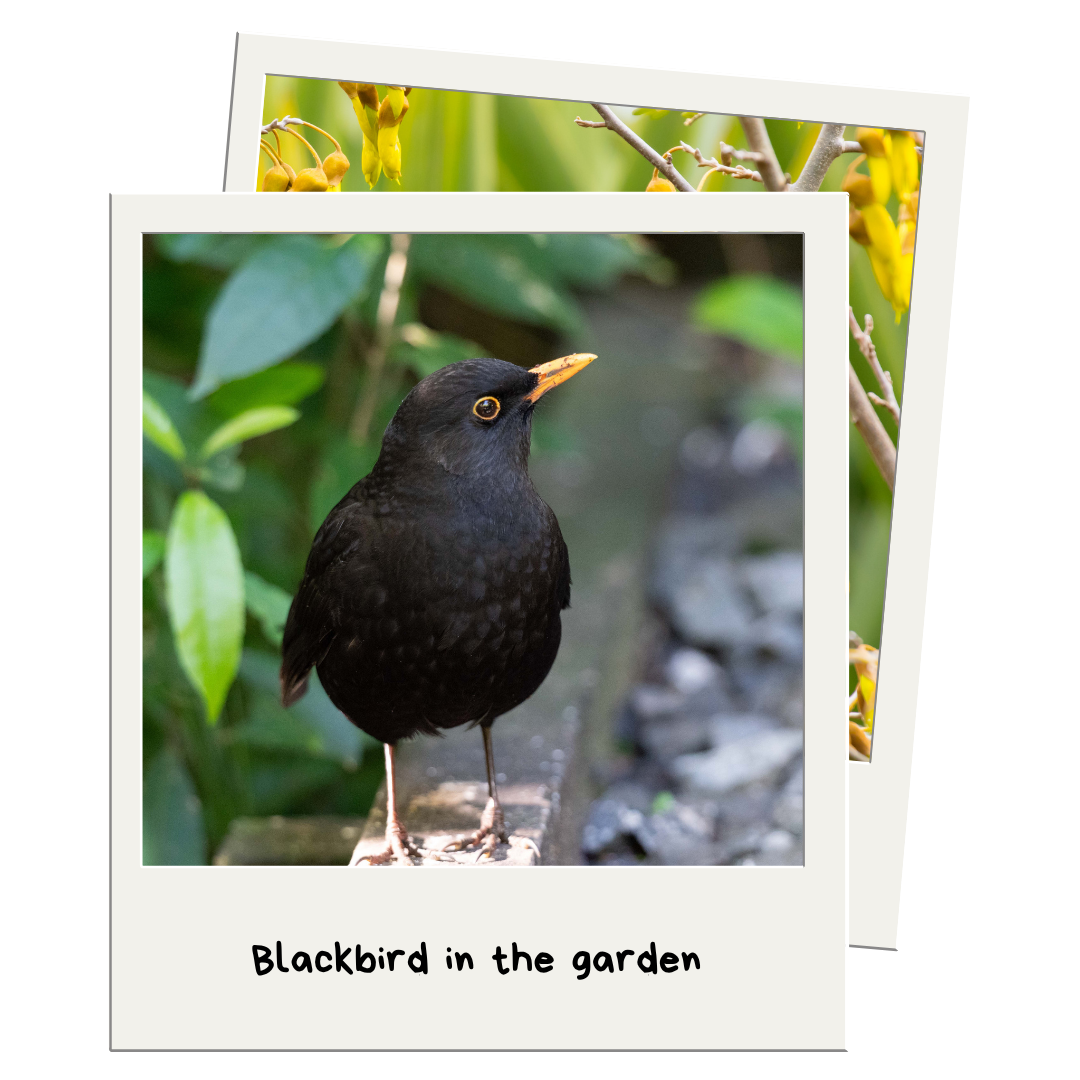
“My grandfather feeds his favourite blackbird apples from the front porch every morning.”
- Anonymous event participant
We hope you enjoyed this Learning Pod!
If you have any feedback or photos/stories/art to share please get in touch!